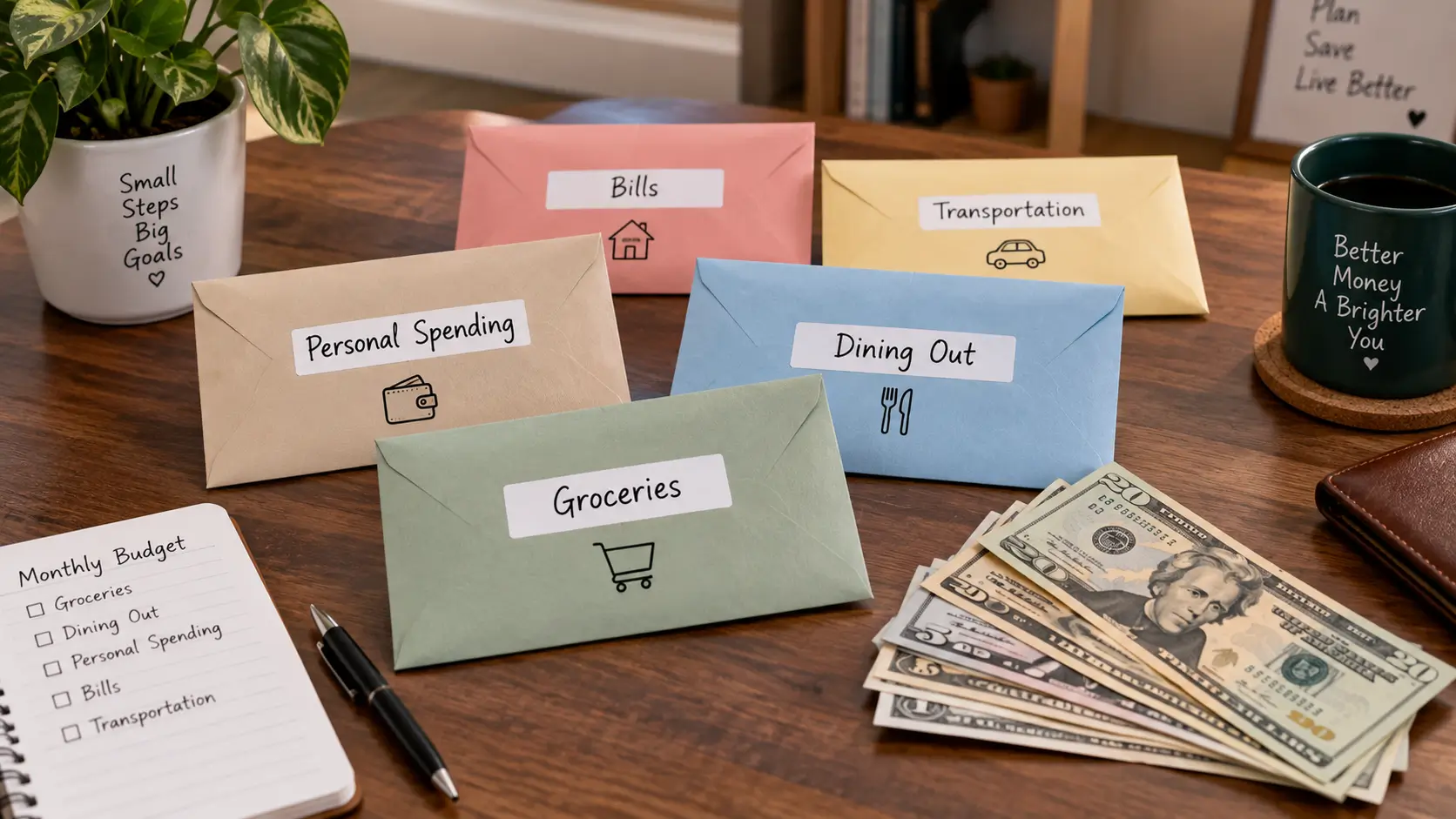
How to set up cash envelope method for beginners: One of those budgeting concepts that everyone has heard of but seldom ever really explains is the cash envelope method. When an envelope is empty, you stop spending in that area until the following month. You take out cash and divide it into envelopes labeled with categories, such as petrol or food. In theory, it’s simple. Choosing the appropriate categories, determining how much goes into each one, and understanding what to do when an envelope runs empty on day eighteen are where many really get stuck.
Here’s how to set it up such that it lasts longer than just the first week—a whole month.
Why the Cash Envelope Method Works for Certain Spending Categories
How to set up cash envelope method for beginners:
It feels abstract to have money in a bank account. Observing a pile of bills diminish is not the same as swiping a card. That’s not a flaw; rather, it’s the way spending psychology operates and the whole point of this approach. Not every aspect of your budget needs to be paid for using cash. Rent and your phone plan are examples of fixed bills that should remain on autopay. Cash envelopes are ideal for categories where you frequently overspend without realizing it, such as shopping, eating out, and general “stuff I didn’t plan for.”
Step 1: Choose the Best Cash Envelope Categories for Beginners
How to set up cash envelope method for beginners:
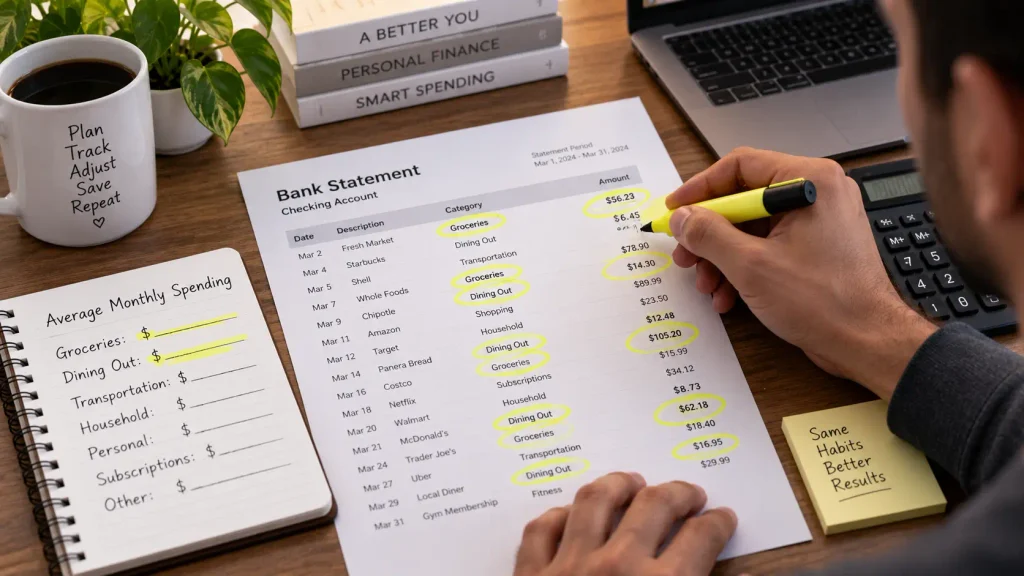
A wallet full of envelopes and a headache result from beginners’ attempts to produce an envelope for everything, including petrol, groceries, coffee, clothing, entertainment, and haircuts. Start with a lower amount. Choose the three to five categories where you overspent the most or where controlling your spending was the most difficult after looking at your previous month’s expenditures. For the majority of people, that includes groceries, eating out, and a flexible “personal spending” category that includes all other discretionary expenses.
Step 2: How Much Money Should You Put in Each Cash Envelope?
How to set up cash envelope method for beginners:
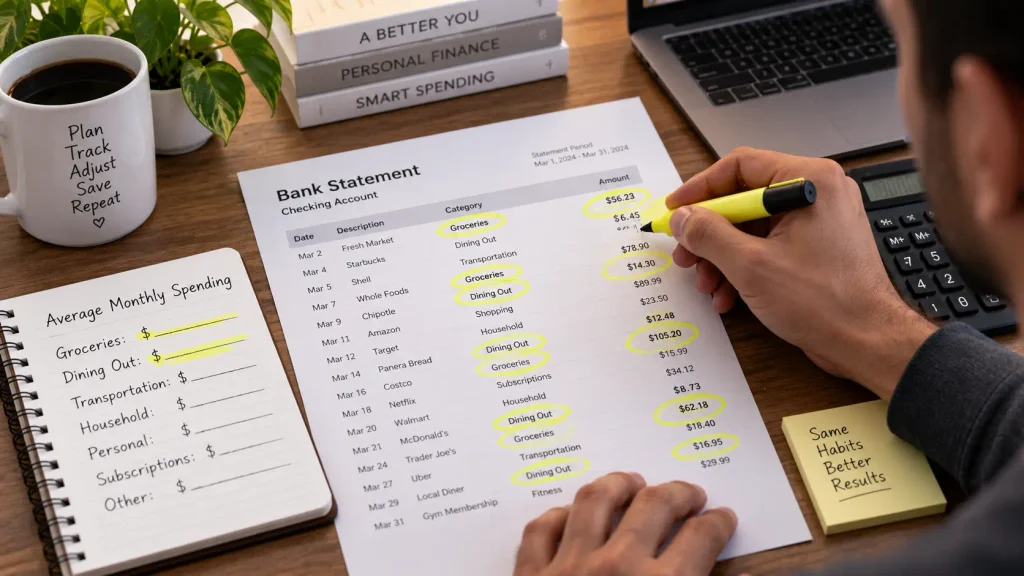
Compile your actual spending in each category by pulling up your bank or credit card statements from the previous two months. Make use of that figure rather than the amount you wish you had spent. If you make a low prediction, you’ll run out before the second week, and the system will collapse before it has a chance to function. Even if your ultimate target is $350, start at your average monthly grocery spending of $450. Once the habit is established, you can tighten it.
Step 3: How to Withdraw and Divide Your Monthly Cash Budget
How to set up cash envelope method for beginners:
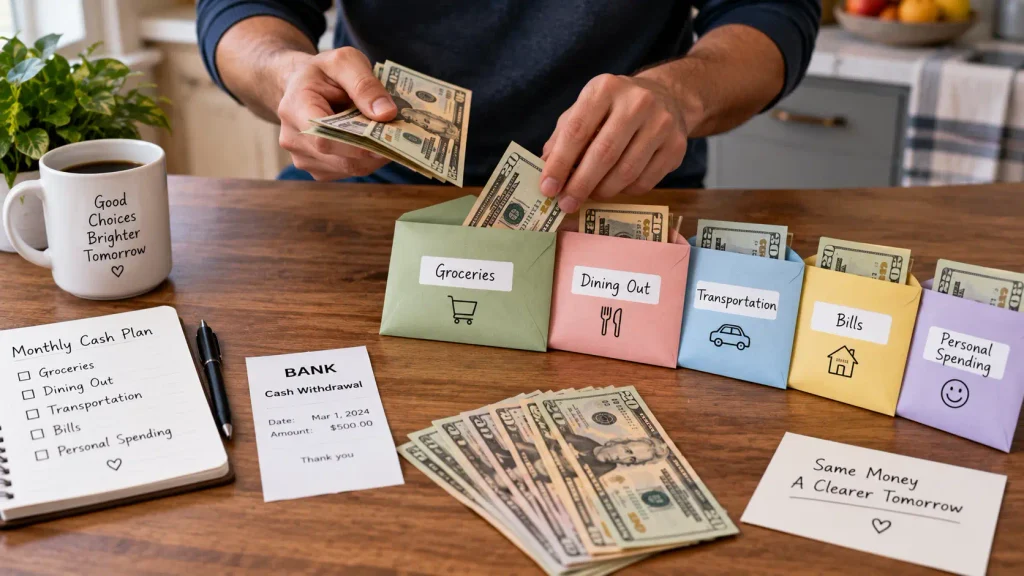
Choose a day, generally shortly after payday, and make one trip to the bank to withdraw the entire cash for each envelope. To avoid being tempted to “borrow” from one category while counting, label each envelope before dividing the money. If they are paid every two weeks, some people would rather divide their money into two smaller withdrawals. This is particularly beneficial if they find it difficult to handle a single big pile of cash.
Step 4: What to Do When a Cash Envelope Runs Out of Money
In the first month, this is where the majority of users stop using the system. When an envelope runs out on the twentieth, the natural reaction is to take money out of another envelope or, worse, take out the card. The discomfort of an empty envelope is the method’s whole purpose. Next month, conduct is altered by that discomfort. If food run out early, that’s actual information: either spending needs to change or the quantity was set too low. Instead than making up the difference now, put it in writing and change the amount for next month.
How to set up cash envelope method for beginners:
If it’s a genuine emergency, like a fridge repair that has to happen this week, that’s a different category entirely and shouldn’t come out of a grocery or dining envelope. Keep a separate small buffer for true emergencies so you’re not tempted to raid your other categories.
What Should You Do With Leftover Cash at the End of the Month?
Decide ahead of time what to do with any leftover cash in an envelope. For irregular categories like clothing or gifts, rolling it into the same envelope the following month may work, but for categories like grocery, it’s usually preferable to place the leftovers into savings. If not, you begin to view the excess as extra money for spending, which is counterproductive.
How to Track Cash Envelope Spending Without a Budgeting App
How to set up cash envelope method for beginners:
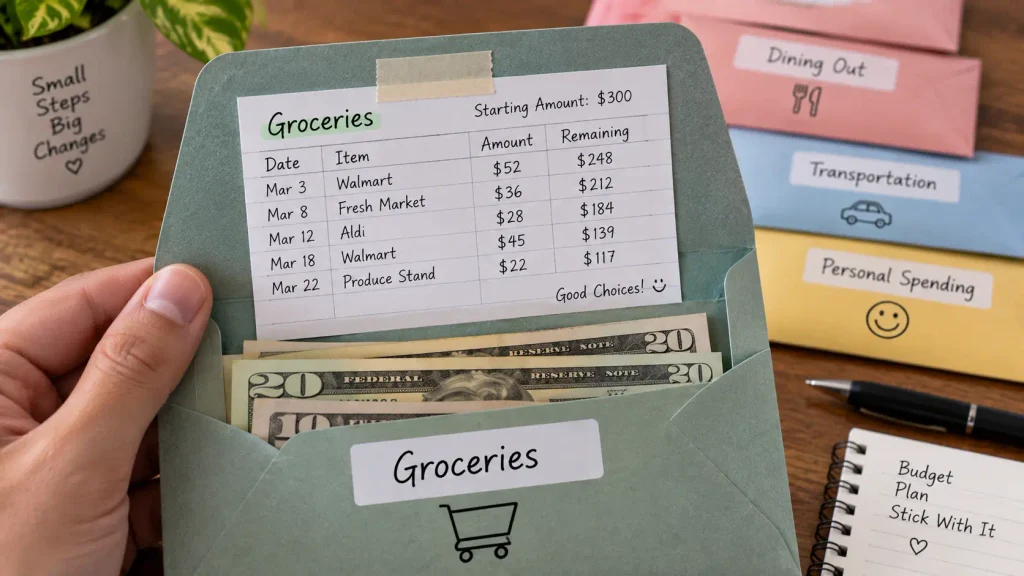
Keep a tiny index card pasted inside each envelope, and record the date and amount of each withdrawal. It provides you with a running total at checkout without requiring you to launch an app or perform mental math, and it only takes ten seconds every purchase.
Because the amounts are simply estimates, most people find the first month to be the most difficult. The entire system begins to function more like autopilot by the second or third month after you’ve made adjustments based on where you actually ran short or had leftovers.
Frequently Asked Questions About the Cash Envelope Method
What categories should I start with for the cash envelope method?
Start with three to five, usually groceries, dining out, and a general personal spending category. Add more only after the first system is working.
How much money should go in each envelope?
Base it on your actual spending from the last two months, not a guess or a goal number. Adjust downward gradually once the habit is established.
What happens when a cash envelope runs out of money?
Stop spending in that category until next month. Borrowing from another envelope or switching to a card defeats the purpose of the system.
Should I use cash envelopes for bills like rent?
No, keep fixed bills on autopay. Cash envelopes work best for variable spending categories where overspending tends to happen without notice.
What do I do with leftover cash at the end of the month?
For irregular categories like gifts or clothing, rolling it over can work. For categories like groceries, moving the leftover into savings usually works better.
Do I need a special wallet or app for this?
No. Plain envelopes and a small index card to track withdrawals are enough to run the system.