Logic would suggest that when people feel uncertain about the economy, they tighten their belts and save more. A growing body of survey data shows the opposite is happening for a lot of people, a pattern now widely called doom spending, buying impulsively or excessively in response to fear or anxiety about the future rather than saving in response to it.
It sounds counterintuitive, but the reasoning behind it is not. If the future feels uncertain anyway, spending now can feel more rewarding than saving for a future that feels shaky or out of your control. Understanding why this happens is the first step to noticing it in your own habits.
What doom spending actually is
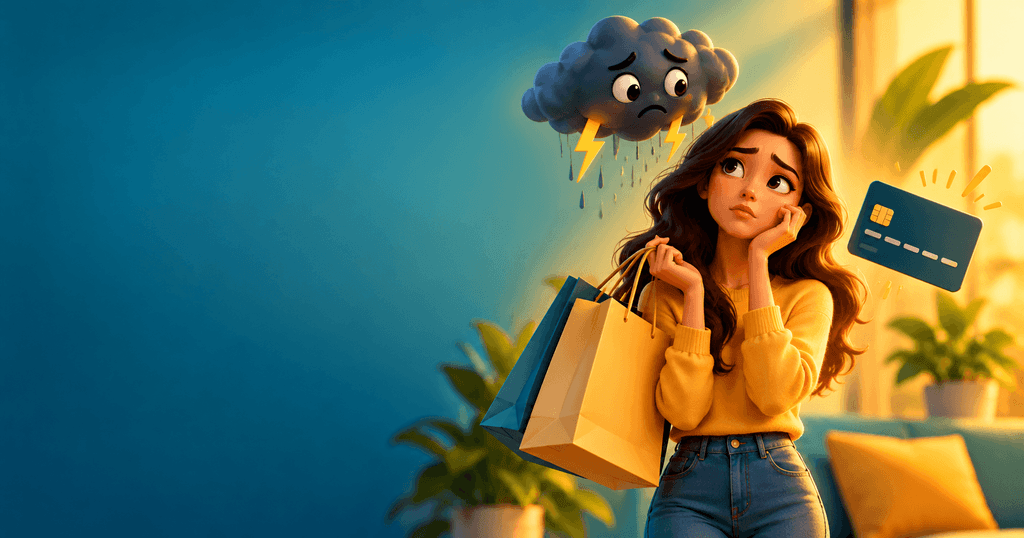
Doom spending describes purchasing driven by fear, anxiety, or pessimism about the future rather than by a planned need or want. It is less about any single purchase and more about the motivation behind it, buying something to quiet a feeling of dread rather than because it fits into a plan.
Survey data backs up how widespread this has become. One recent national survey found roughly one in five Americans describe their recent spending as doom spending, with a notable share saying they are spending more now than they were a year ago. A separate survey found more than a third of Gen Z and nearly as many millennials report doom spending specifically to cope with stress, a share meaningfully higher than older generations.
Why people spend more when they feel less secure
A sense that saving will not matter anyway. A substantial share of people who doom spend say they struggle to rationalize saving money at all because of how uncertain the economy and the broader world feel. If a long term goal feels unreachable, spending for an immediate sense of control or comfort can start to feel more rational than it would otherwise.
Spending as a coping mechanism, not just a purchase. Financial researchers describe this as similar to stress eating, using a purchase the same way some people use a snack, for a short emotional lift rather than for the item itself. The relief is real, even when it is temporary.
Preparing for the worst by acting now. Some doom spending is framed less as indulgence and more as a hedge, buying something now out of concern that prices, availability, or circumstances will be worse later. This can range from genuinely useful stockpiling to purchases that outpace any real need.
A feeling that financial milestones are already out of reach. A notable share of people say they have given up on specific financial goals altogether, such as saving a set amount or paying off a particular debt. Once a milestone feels unreachable, the motivation to delay a purchase in service of it tends to fade too.
The real financial consequences
This is not a victimless pattern. Research specifically tracking the effects of this kind of spending found that a majority of people who did it said the spending had a real impact on their other spending, saving, or borrowing afterward. The most commonly cited downside is straightforward: impulsive spending driven by anxiety tends to strain a budget and can lead to credit card debt that compounds the very financial stress that triggered the spending in the first place.
In other words, doom spending often does not resolve the anxiety behind it. It can quietly add a second, more concrete financial problem on top of the original worry.
How to recognize it in your own spending
Doom spending is rarely obvious in the moment, since it usually feels like relief rather than a decision. A few patterns are worth watching for.
The purchase follows a specific anxious trigger, such as checking the news, seeing your account balance, or a stressful conversation about money, rather than a planned need.

The relief fades quickly, and the purchase does not meaningfully change how you feel about the underlying worry once the initial lift wears off.
You find yourself avoiding your actual numbers afterward, rather than checking whether the purchase fit your budget.
What tends to help
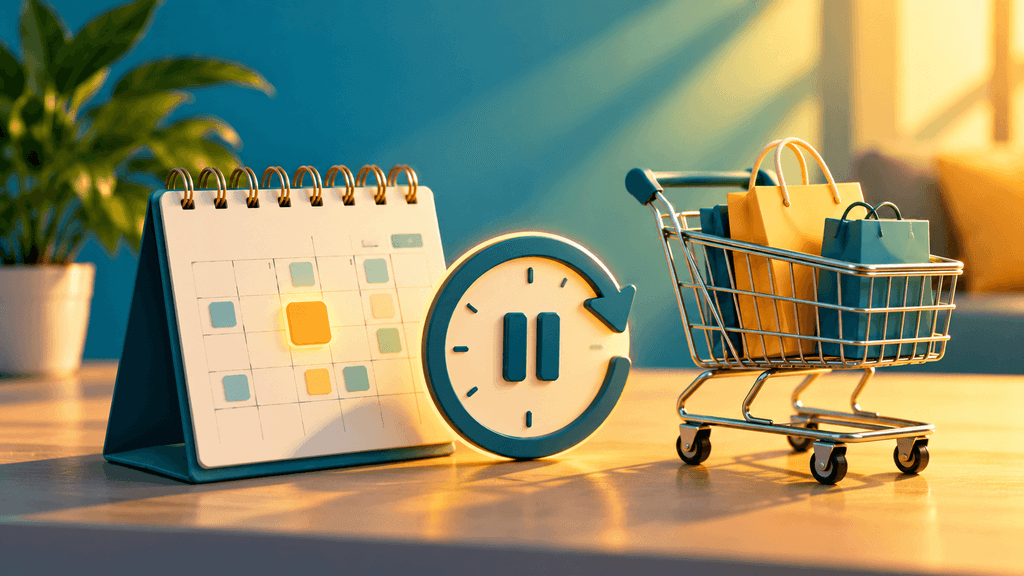
Build in a short pause before non essential purchases. A 24 hour rule for anything above a set amount gives the initial emotional spike time to settle before the purchase becomes final.
Name the feeling before the purchase. Simply noticing “I am buying this because I feel anxious, not because I need it” is often enough to interrupt the pattern on its own.
Replace the coping function, not just the spending. If a purchase is serving as a stress response, a different low cost outlet, a walk, a call to a friend, writing down the worry, can sometimes meet the same emotional need without the financial consequence.
Keep a small, planned space for comfort spending. Cutting every small purchase out entirely often backfires. A modest, budgeted amount for exactly this kind of spending can reduce the pressure that leads to an unplanned splurge.
Revisit your actual numbers regularly, especially during a stressful stretch. Research consistently shows that people who track their real spending and savings tend to make calmer decisions than people relying on a general feeling about their finances.
Is doom spending inevitable right now
Economic anxiety is a real and reasonable response to real conditions, and it is not something a budgeting trick alone will erase. What tends to help is not ignoring the anxiety, but separating it from the spending decision itself, so a stressful week does not quietly turn into a stressful month on your credit card statement.
FAQs
1. What is doom spending?
It is a pattern of buying things impulsively or excessively in response to anxiety or fear about the future, such as economic uncertainty, rather than from a planned need.
2. Who is most likely to doom spend?
Survey data suggests younger generations, particularly Gen Z and millennials, report this pattern more often than older generations.
3. Why do people spend more when they feel financially insecure?
Some people find it hard to justify saving toward a goal that feels out of reach, which can make an immediate purchase feel more rewarding than a distant, uncertain plan.
4. Does doom spending actually help with anxiety?
It can provide a short term sense of relief, similar to stress eating, but the underlying worry usually returns once the purchase no longer feels new.
5. What are the financial risks of doom spending?
It can strain a budget and lead to credit card debt, which often adds a new, concrete financial stress on top of the original anxiety.
6. How can I stop doom spending?
A short pause before non essential purchases, naming the feeling behind the urge, and keeping a small planned budget for comfort spending can all help interrupt the pattern.